Nearest Maillefer contacts for USA
Maillefer North America
Pipe & Tube
Neil H. Macdonald<br />
<br />
Tel: 423·480·4517
t;.ne;fer;lle;mai;ld/;ona;acd;l.m;neiMaillefer North America
Wire & Cable
#1 Extrusion Drive
CT 06379 Pawcatuck,
Tel: +1 920-215-6628
om;d.c;dar;tan;s-s;avi;w/d;cho;jzaKN Manufacturing Solutions LLC
Fiber Optic
325 Kentucky Court
GA 30548 Hoschton
Tel: +1 404 202 9655
Cell: +1 404 202 9655
com;ol.;nms;n/k;ine;iem;i.n;karAmaral Automation Associates
Wire & Cable
1697 Warwick Ave, Suite D
RI 02889 Warwick
Tel: +1 401 405 0755
om;n.c;tio;oma;aut;ral;ama;es/;salRepco Industries LLC
Wire & Cable
13299 W. Essex Ln.
Illinois 60142 Huntley
Tel: +1 847 802 4315
Cell: +1 847 274 9218
com;es.;tri;dus;oin;epc;s/r;otu;nliSouthern Industrial Equipment
Wire & Cable
2708 Cambridge Way
TX 75092 Sherman
Tel: +1 281 844 4260
Fax: +1 903 813 0285
net;ns.;tio;olu;ons;usi;xtr;y/e;troA well-controlled cooling secures that the conductor temperature at the end seal when the insulated core comes out from the pressurized curing tube is low enough and the generation of voids is prevented.
In the Open Water Cooling Circulation OWCS water is pumped from the unpressurized water tank through the heat exchanger to the end of the cooling tube. Thus the cooling operates by a counter-flow method.
In the beginning of the cooling tube, water flows back from the water trap to the unpressurized water tank through a control valve, which controls the amount of water in the water trap. This design ensures that there is always water in the touchdown area, and that the cooling section is always filled with water.
There is a water detector in the neutral tube, which prevents water from entering into the curing section by stopping the water circulation pumps and alarms the line control.
The water circulation unit includes two water circulation pumps, a heat exchanger and the necessary valves.
The piping is made of stainless steel and includes water circulation pipes, valves and flexible hoses.
The unpressurized water tank is not included in the standard delivery (optional). Maillefer will give a main dimension drawing of the tank to the customer. The tank must be equipped with a cover and a ventilation. The water space is separated with a filter mesh, into a clean and a dirty side. By-products can be easily removed from the open tank.
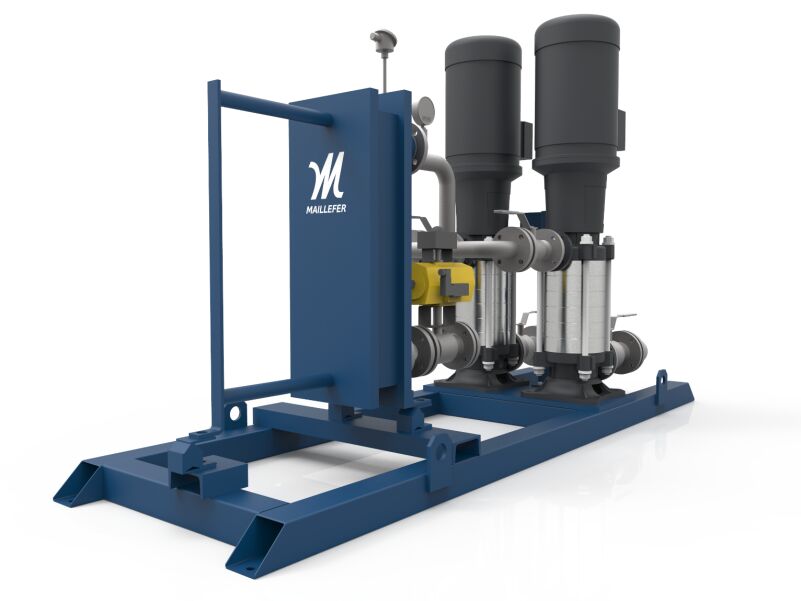
Water circulation unit
The water circulation unit consists of two pieces of water circulation pumps (one is spare), a plate type heat exchanger, necessary valves and instruments.
All these components have been installed on the same frame, which forms one complete unit. The water circulation unit is ready-fitted and completely tested.
Water trap for CCV line
The water trap for CCV line is equipped with a lid including a sight glass, a by-product outlet and a level sensor with a magnetic display controlling the water level height in the water trap.
| Circulation pumps | 50 Hz, 30 kW (25 bar) |
| Pump output | 60 Hz, 16 m3/h / H=208 m (20 bar) |
| Heat exchanger type | Plate |
| Heat transmission performance | 130 kW |
| Number of plates | 33 pcs |
Exact values depend on the assembly.
8.7.2026
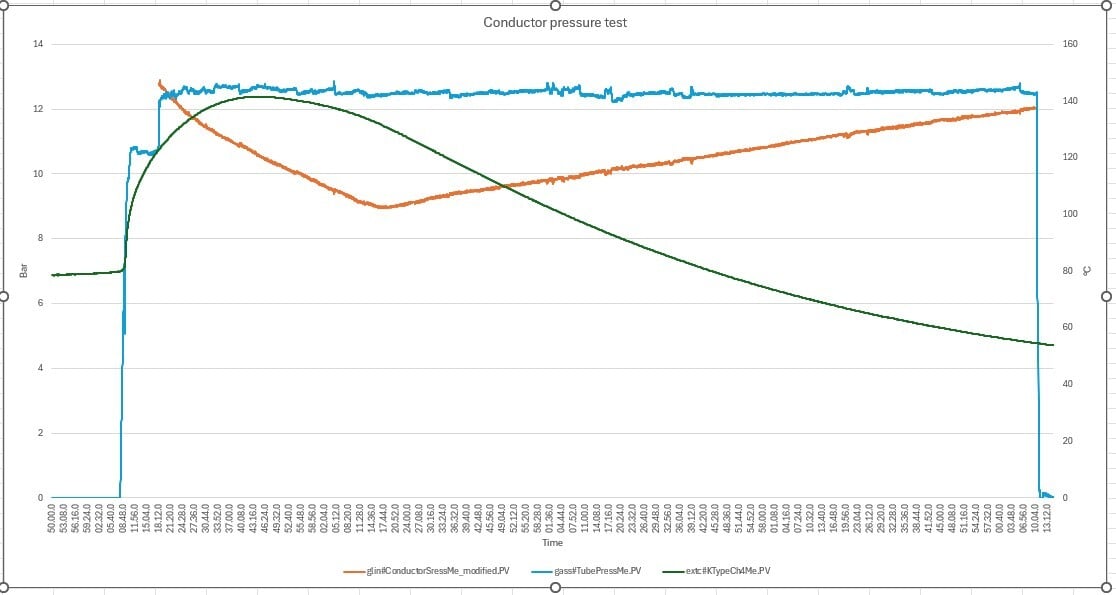
PP Process Modeling – Void HypothesisThis novel measurement method is an added tool to investigate and gain insight into the PP extrusion process. The theory of modelling it is confirmed and shows the way to optimization. Read more
24.6.2026
When durability meets innovation, production keeps running strong. Maillefer’s upgrade solutions breathe new life into extrusion lines built to last — and perform better. Read more
10.6.2026
Innovation doesn’t happen in isolation. Inside Maillefer’s R&D Centers, collaboration turns ideas into breakthroughs — where customers, materials, and expertise converge. Read more
27.5.2026
A new chapter in power cable design is emerging. Maillefer joins forces with leading partners to turn recyclable PP technology into tomorrow’s high-performance standard. Read more
22.5.2026
Maillefer’s OEL42 drop cable jacketing line delivers precision, durability, and speed — empowering manufacturers to supply the rising connectivity demands with confidence. Read more
18.5.2026
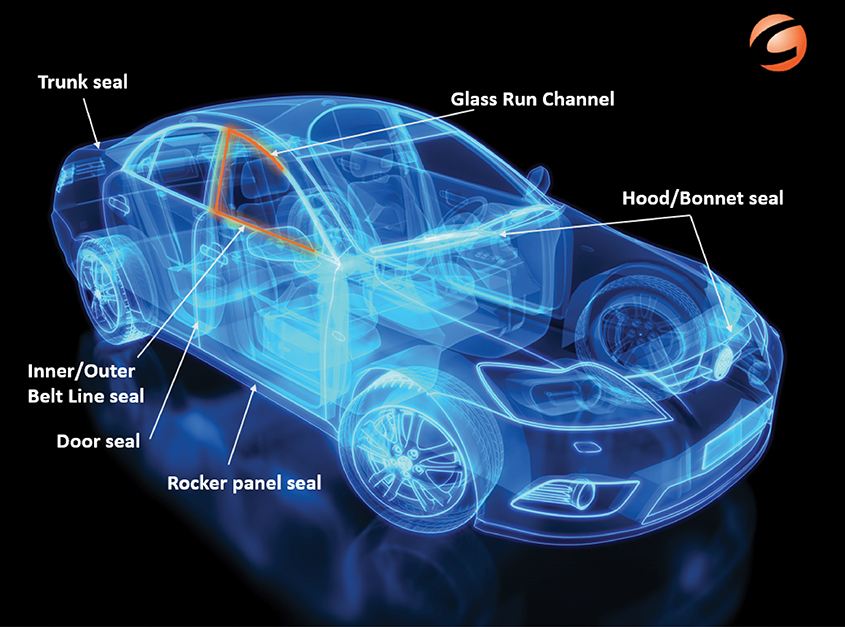
What happens when material mastery meets extrusion expertise? Maillefer and Celanese join forces to redefine the possibilities for dynamic and semi-dynamic automotive weather seals made of TPV. Read more
6.5.2026
When thinking about sustainability in the cable industry, Maillefer considers where we can have the most impact on carbon footprint. Our own actions as an equipment provider are clearly modest compared to the effects we can have on the cable manufacturing end. In cable production, the materials processed during the extrusion phase easily represents 95% of the carbon footprint generated. This is because cable making consumes much material. At Maillefer, we can have the biggest impact by helping our cable-making customers achieve their sustainability goals. Our shared goal is to make more with less. Read more
1.5.2026
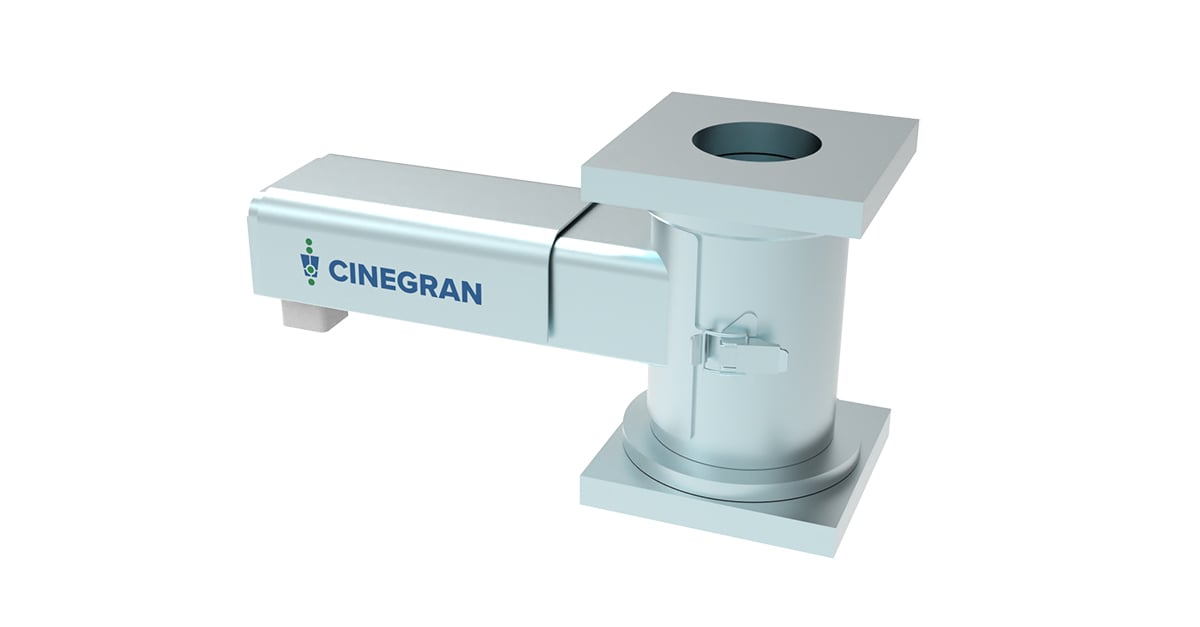
Precision meets innovation with Maillefer’s redesigned Cinegran flow meter — smarter, easier to use, and ready to deliver real-time insights for optimal extrusion performance. Read more